
Counseling · Global English Campus
Support for the whole student, starting early.
We like to meet students early, so we can support the whole person before difficulties build up. We stay with them through high school and into the start of university. The counseling includes both the student and the parents.
- 10,000+students helped into western universities
- 20 yearsof counseling students and families
- 7 countrieswhere we currently work
- First termwe stay into the start of university
How GEC is different
Most counseling covers the application. We cover the student as well.
-
Most counselingOnly for university applications.
GECWe counsel the whole student, and we also prepare the application.
-
Most counselingDelivered mainly in groups.
GECEach student receives individual attention.
-
Most counselingFocused on only one area, such as scores or essays.
GECAcademics, service, projects, habits, and personal questions, together.
-
Most counselingLimited contact with the family.
GECClose work with the student and with the parents.
Listen
A short introduction.
A counselor explains what families can expect: when we start, what we cover, and how long we stay.
Audio
Introduction to GEC counseling
0:00 / 0:00
01
Starting early
We prefer to begin well before the final year.
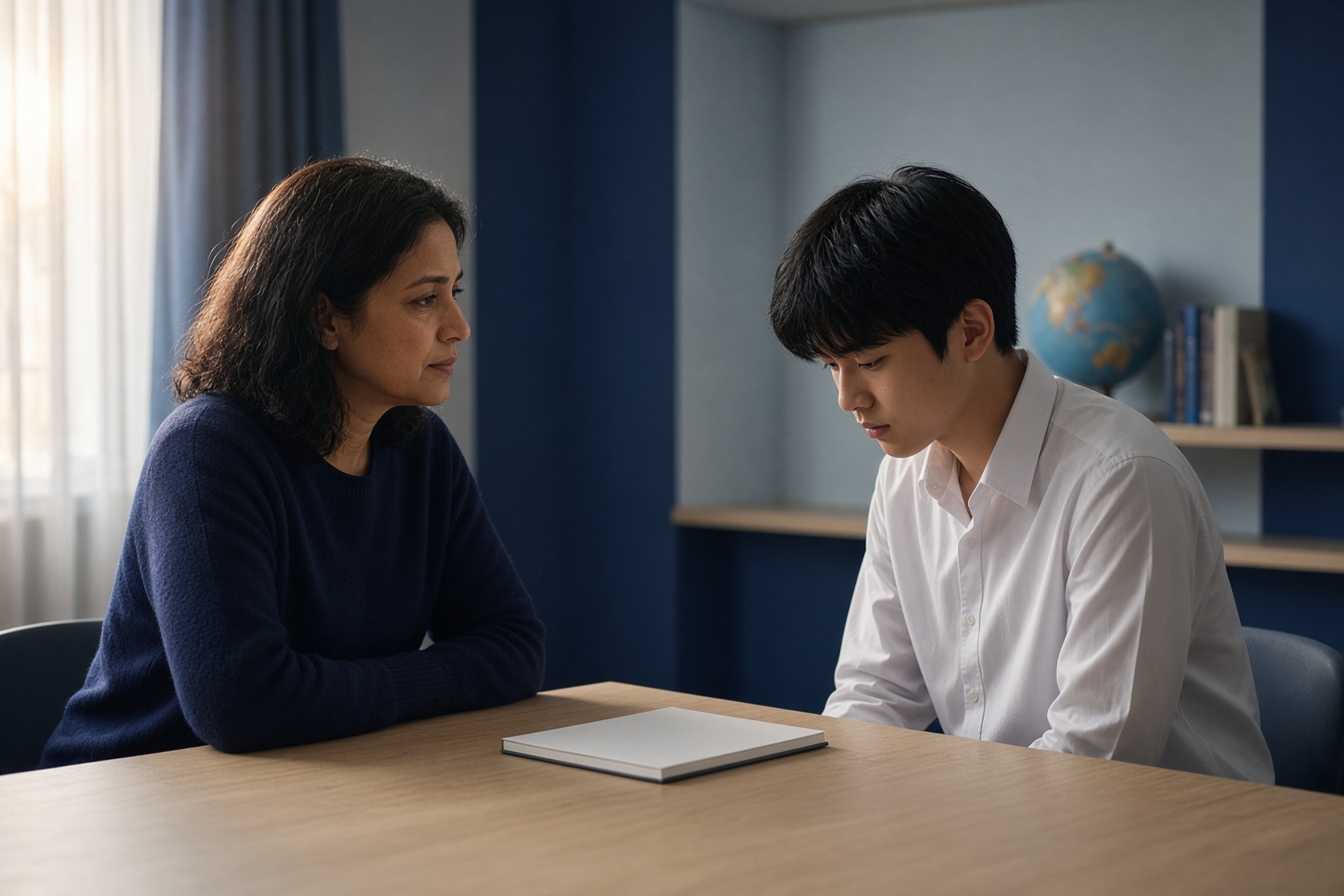
We like to get students early so we can support the whole person in advance. That includes study habits, English, interests, and plans. If counseling starts only in Grade 12, there is less time for that work, and more of the year is spent on the application.

02
Skills and traits
We work on the skills and traits that show up at school.
We do not focus on only one area. Academic work, language, study habits, social skills, and personality are all part of counseling. The weakest skill receives more of our attention. School grades stay separate. They are not replaced by this record.
-
Academic
Problem solving, how well lessons are learned, and whether coursework is completed.
-
Language
Reading, writing, listening, speaking, and pronunciation, at a level suitable for study in English.
-
Study
Attendance, attention, and whether work is finished early, on time, or late.
-
Social
How the student works with others and contributes in a group, not only whether they show up.
-
Personality
Focus, stress, initiative, and interests. Used to support the student, and kept private.
-
Class reports
Reports from class inform the counselor. They do not replace a conversation, and they are not shared as public labels.
03
Profiles
Three profiles students can explain.
We help students build an academic profile, a philanthropic profile, and a project profile. That includes extracurriculars such as volunteering and internships. A list of club names is not enough. The student should be able to explain what they did and what came of it.
-
Academic profile
Study
Courses, language level, grades, and readiness for academic tests.
-
Philanthropic profile
Service
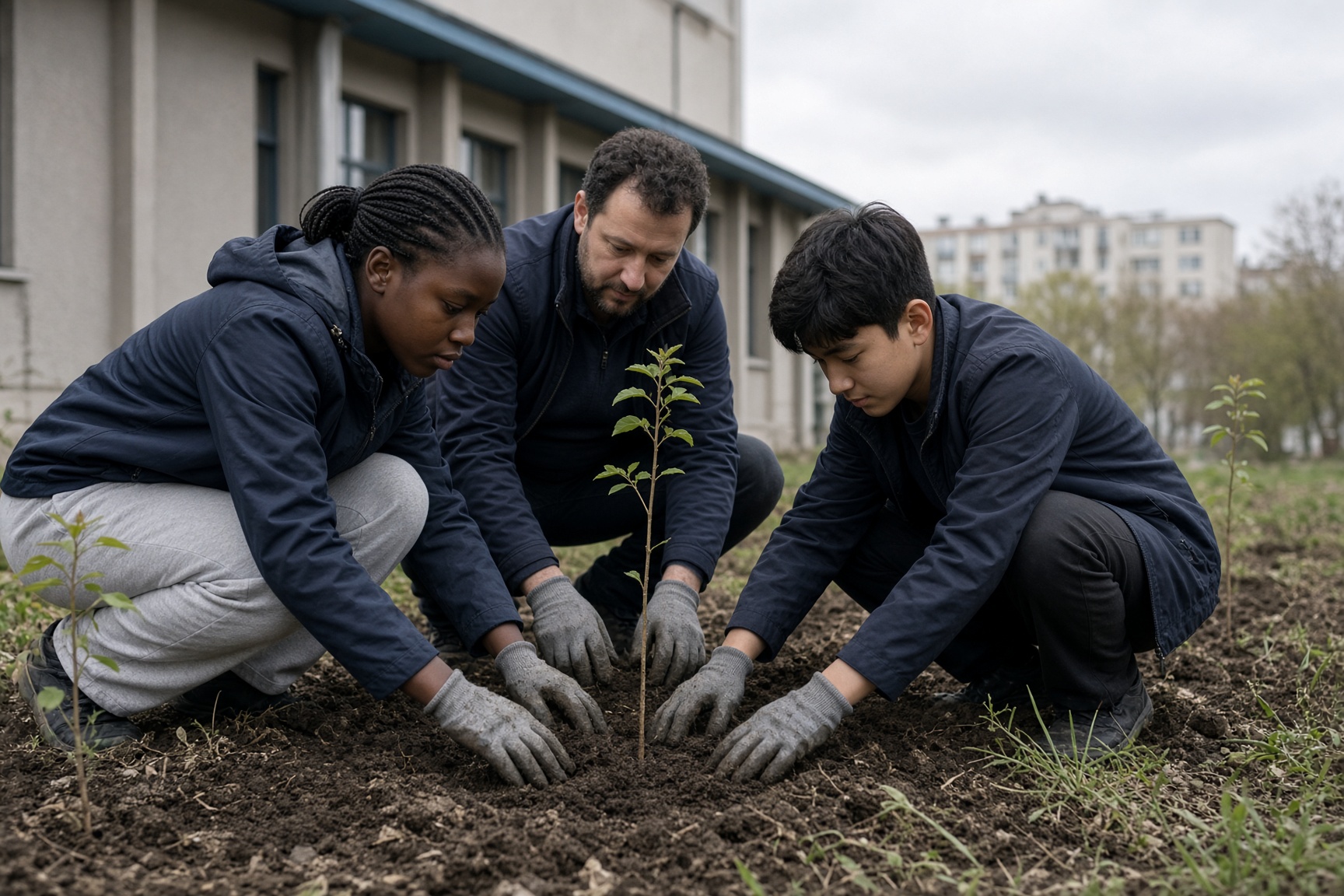
Service the student stays with over time, including responsibility for how a project is carried out. Not a single afternoon.
-
Project profile
Projects and internships
Volunteering, internships, and projects in which the student had a clear role and a result they can describe.

04
Careers and plans
We help students explore interests and possible careers.
Students look at what they care about and which kinds of work might suit them. When a first plan does not match the student's strengths, or the requirements of a field, we help them adjust the plan and their expectations.
The aim is a realistic direction the student can work toward.

05
Habits, grades, and tests
Personality, study habits, difficult grades, and test preparation.
Personality and study habits often explain why a grade is not improving. We work on those directly, together with academic test preparation. The counselor and the student agree on one specific change, then review whether it happened.

06
Personal questions
Personal questions, and preparation for Grade 12.
Students can bring personal questions and problems that are not part of an application. Those conversations stay private. Notes about weaknesses and family matters are not shown to other students.
The same counseling then prepares the student and the parents for the university application period at the end of Grade 12, including essays and school choices.

07
Profiles and people
Strong profiles, and people who stay in the student's life.
We encourage students to build a strong profile and a real network of people as they move from high school to university and then into work. Class groups give them practice working with others. Student networks give them a longer place to belong, to lead, and to take on projects, including projects with students in other schools and countries.
Students practice leadership in these settings. How well known a student is does not measure their contribution, and network activity is not a grade.
08
After acceptance
We stay through high school and into the start of university.
Counseling does not stop when the acceptance letter arrives. We stay with students through high school and as they begin university, including the first term, when the schedule and the academic standard are new.
09
Choosing a university
The university that suits this student.
We help each student look at which university will suit them personally and professionally, toward what they hope to do. We do not send every student toward the same ranking or the same famous name.
Over the past 20 years we have helped more than 10,000 students into western universities. The right choice is still the one that fits this student.

How counseling is organized
What the counselor does.
-
A private record
Grades, language, personality, and counseling notes are kept together. Notes about weaknesses stay with the counselor.
-
Facts first
We record what the student did. An explanation of why is checked before we treat it as a conclusion.
-
More time for the weakest skill
The skill that needs the most help receives twice the usual amount of attention.
-
Groups and networks
Class groups are for guided practice. Networks are for longer projects, leadership, service, and belonging.
-
Parents included
The parent and the student both agree to the plan. Parents take part throughout, not only at the end.
-
Short sessions, then a review
Sessions are scheduled around school. We set one clear goal and a date to review it, then decide whether to continue, change, or finish that goal.
Across the school years
What the counseling usually covers, year by year.
- Early secondaryEnglish, study habits, and interests.
- Middle yearsService, first projects, and a direction that can still change.
- Upper secondaryStronger academics, tests, leadership, and a network.
- Grade 12Essays, applications, and choosing a university.
- First termSupport continues after the student arrives at university.
Parents
Parents are part of the counseling.
A first meeting takes about an hour. We review the student's academic and extracurricular background, explain how the team stays with the student, and outline a recommended plan. If the family continues, the parent and the student both join.
- 01The student's academic and extracurricular background.
- 02How the team stays with the student through Grade 12 and into university.
- 03A plan covering study habits, tests, profiles, and the application period.
Audio · two voices
A parent asks what is different
0:00 / 0:00

English for Academic Success
More than 10,000 students over twenty years. Each one is individual.
GEC counseling supports the whole student: skills and traits, three profiles, career plans, and a university that fits. Parents are included from the early years through the first term of university.
Global English Campus · Counseling
Student records stay private. This page describes the counseling. It is not a public ranking of students.